
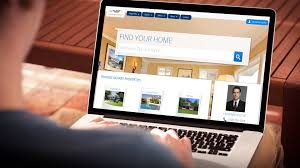
Thinking about building a website for your real estate business? It’s a big step. In today’s world, your website is often the very first place potential clients meet you. It’s like the digital front door to your entire operation. A good site welcomes people. It shows them what you’re all about. It makes them feel comfortable. A bad one, well, it can make them turn away before they even get inside.
So, why is this so important? Because people search online for everything now. Buying a home is a huge decision. People want to find the right agent. They want to trust them. They look for someone who seems knowledgeable. Someone who seems like they care. Your website is your chance to show them that person is you.
What will you learn here? We’ll talk about what makes a real estate website truly shine. We’ll look at what clients expect. We’ll also explore how to find talented developers who can bring your vision to life. Especially those who are close by. Let’s get this digital front door looking amazing.
Finding expert real estate website development near you is key to creating a powerful online presence. A great site showcases your listings effectively, builds trust with potential clients, and clearly communicates your value. This guide helps you understand what to look for and how to connect with local talent who can build your perfect digital storefront.
Understanding What Makes a Real Estate Website Work
A real estate website is more than just a place to list houses. It’s a tool. It’s a branding opportunity. It’s a lead-generation machine. To make it work, it needs to do a few key things really well. Think of it like building a house. You need a strong foundation. You need good design. And you need features that make life easy for everyone.
First, it needs to look good. People judge a book by its cover, right? Your website’s design matters a lot. It should feel professional. It should reflect your brand. Maybe you’re sleek and modern. Or maybe you’re warm and family-focused. Your site’s look should match that.
Then, it needs to be easy to use. Can people find what they’re looking for quickly? Are the listings clear? Is contact information easy to spot? If it’s confusing or slow, people will leave. They’ll go to a competitor’s site. This is super important.
Also, it must show off your expertise. People want to hire someone who knows the market. They want to see that you understand their needs. Blogs, testimonials, and case studies help show this. They build trust. They show you’re a real person with real skills.
Finally, it needs to help you get new business. How? By making it easy for people to reach you. Contact forms should be simple. Phone numbers should be clickable. Calls to action should be clear. What do you want people to do next? Ask them to do it.
My Own Website Wake-Up Call
I remember the early days of my own online journey. I had a basic website built years ago. It had my name, my phone number, and some blurry pictures of houses. Honestly, it looked like it was from the early 2000s. It was just there. I didn’t think much about it.
Then one day, a potential client told me they almost didn’t call me. They said my website looked old and hard to navigate. They weren’t sure if I was still active in the business. That really stung. I realized my digital front door was actually pushing people away. It was a tough moment.
It made me understand that just having a website isn’t enough. It has to be good. It has to work for me. It has to work for my clients. That’s when I started digging into what makes a website truly effective. I learned that design, usability, and clear information are not just nice to have. They are essential. It was a real learning curve.
Key Features of a Winning Real Estate Site
Easy Navigation: Clear menus and search filters. Users find homes fast.
High-Quality Photos/Videos: Showcase properties in the best light.
Mobile-Friendly Design: Works perfectly on phones and tablets.
Agent Bio & Testimonials: Build trust and show your personality.
Contact Forms: Simple ways for leads to reach you.
Why Local Developers Can Make a Difference
When you’re looking for someone to build your website, you have choices. You can go with big national firms. You can hire freelancers online. Or you can look for local real estate website development experts. There are real benefits to staying close to home.
Think about it. A local developer understands your market. They know the neighborhoods. They know the local trends. They might even know other local businesses. This insight can help them build a site that really speaks to people in your area. It’s like hiring a neighbor who knows the community.
Local teams often offer more personal service. You can meet them face-to-face. You can have in-person meetings. This can make communication smoother. It can help build a stronger working relationship. You’re not just another project in a queue. You’re part of their community too.
They also understand local regulations or unique market aspects. This knowledge is invaluable. It ensures your website is not only beautiful but also compliant and relevant. They can integrate local features that resonate with buyers and sellers right there. This connection is powerful.
What to Look for in a Web Development Partner
Finding the right web developer is like choosing a business partner. You want someone you can trust. Someone who gets your vision. And someone who can deliver results. So, what are the signs of a good one, especially for real estate sites?
First, look at their portfolio. Do they have examples of real estate websites they’ve built? Do these sites look good? Are they easy to use? Do they seem modern and effective? If they have a history of great real estate sites, that’s a good sign. It shows they know the niche.
Next, check their understanding of your goals. Do they ask good questions? Do they listen to what you need? A good developer won’t just build you a site. They’ll work with you to understand your business. They’ll figure out how the website can help you grow.
Ask about their process. How do they start a project? How do they handle feedback? What is their timeline? Knowing this helps you set expectations. It shows they have a clear plan. It means they’re organized.
Also, consider their technical skills. Do they build responsive websites? That means sites that look good on any device. Phones, tablets, computers – it all matters. Do they focus on search engine optimization (SEO)? This helps people find your site online. It’s crucial for lead generation.
My Experience with a Local Team
Years ago, after my website wake-up call, I decided to find a local developer. I was nervous. I didn’t know much about web design. But I met with a few small agencies in my town. One stood out. The owner, Sarah, spent over an hour just listening to me. She asked about my clients. She asked about my goals.
She didn’t just talk about design. She talked about user experience. She talked about how the site would help me connect with people. She showed me examples of other sites they’d built for local businesses. They looked sharp and professional. They were easy to explore.
When they started building my new site, they kept me updated. They sent me drafts. They asked for my thoughts at each step. If I suggested something that wasn’t quite right, they explained why. They offered better alternatives. It felt like a true partnership. The final site was a game-changer. Leads went up. People commented on how professional it looked. It was worth every penny.
Choosing the Right Developer: A Checklist
Experience: Do they specialize in real estate websites?
Portfolio: Is their past work impressive and relevant?
Communication: Are they responsive and easy to talk to?
Process: Do they have a clear, organized development plan?
SEO Knowledge: Can they help your site rank in search results?
Local Insight: Do they understand your market?
What Goes Into a Great Real Estate Website Design?
Let’s dive a bit deeper into what makes a real estate website look and feel great. It’s a blend of art and science. You want something that is beautiful but also functional. Think of it as designing a welcoming open house.
The colors you choose matter. They set a mood. Blue can feel trustworthy. Green can feel calm or relate to nature. A clean white space makes things feel modern. Your logo should be prominent but not overwhelming.
Fonts are important too. Are they easy to read? Do they match your brand’s personality? A fancy script font might look nice for a headline, but it’s often hard to read for longer text. Simple, clean fonts are usually best.
The layout needs to be logical. Where do you put the search bar? How do you display property details? Most people scan websites. They don’t read every word. So, important information needs to be easy to see. This includes prices, locations, and key features of a home.
Images and videos are the stars of real estate. They need to be top-quality. Blurry, dark photos won’t sell a property. They might even turn buyers off. Professional photos make a huge difference. They show the home in its best light.
Consider interactive maps. People love to see where a property is. They want to know about nearby schools or amenities. A well-integrated map is a big plus. It helps potential buyers visualize living there.
Real-World Scenarios Where Websites Shine
Imagine a young couple. They’re new to the area. They’re looking for their first home. They start their search online. They find your website. It’s clean, easy to use. It has great photos of homes in neighborhoods they’re interested in. They can filter by price and school district. This makes their search simple and less overwhelming.
Now, think about a seller. They want to list their home. They search for “top real estate agents near me.” They find your site. It features testimonials from happy sellers. It shows examples of homes you’ve sold. It has a clear process for listing a home. They feel confident you can get the job done.
Or consider a busy professional. They’re relocating for work. They have limited time to visit properties. Your website offers virtual tours. It has detailed neighborhood guides. They can get a lot of information quickly. This saves them time and stress. Your website becomes their trusted resource.
These are just a few examples. In every case, a well-designed, user-friendly website makes the client’s experience better. It shows you are professional. It shows you care. It makes them want to work with you. It helps them move forward with their real estate goals.
The Buyer’s Journey Online
Discovery: Sees your ad or finds you on search.
Exploration: Browses your website, views listings.
Evaluation: Reads testimonials, learns about you.
Engagement: Fills out a contact form or calls you.
What Your Website Tells People About You
Your website is a silent salesperson. It works 24/7. It tells a story. What story is yours telling?
A slow, outdated website might suggest you’re not current. It could hint that you’re not putting much effort into your business. That’s not a good first impression. People want an agent who is on top of things.
A site with poor-quality photos or vague descriptions might imply you’re not detail-oriented. Or perhaps you don’t care enough about the properties you represent. Buyers and sellers want someone who pays attention.
Conversely, a professional, easy-to-navigate website signals competence. It shows you’re serious about your profession. It suggests you value your clients’ time and experience. High-quality images show pride in presentation. Clear calls to action mean you’re ready to help.
Testimonials and client reviews are powerful. They’re like third-party endorsements. They build trust and credibility. Seeing that others have had a great experience with you makes new people feel more secure. They know what to expect.
When is Your Website a Cause for Concern?
There are signs that your website might be holding you back. One big red flag is low traffic. If people aren’t visiting your site, something is wrong. It could be search engine issues. It could be that the site isn’t appealing.
Another sign is a high bounce rate. This means people visit your site but leave very quickly. They don’t click on anything else. They don’t stay long. This often means they can’t find what they need. Or they don’t like what they see.
If you’re not getting many leads from your website, that’s a clear problem. Your website should be a source of potential clients. If it’s not bringing them in, it’s not doing its job. You need to figure out why.
Finally, if your website doesn’t work well on phones, that’s a major issue. Most people use their phones to search online. If your site is difficult to use on a small screen, you’re losing a huge chunk of your audience. This is critical for modern web design.
Quick Tips for Improving Your Online Presence
Even if you’re not ready for a whole new website, there are things you can do. Small changes can make a big impact.
First, make sure your contact information is easy to find. Your phone number and email should be visible on every page. A contact form is also essential.
Update your property listings regularly. Remove sold properties. Add new ones promptly. Keep your information fresh. Stale listings look bad.
Add a blog. Share local market news or tips for buyers and sellers. This shows your expertise. It also helps search engines find your site. Aim for simple, helpful articles.
Encourage clients to leave reviews. Positive reviews are powerful social proof. Make it easy for them to do so. A direct link to your Google Business profile is great.
Ensure your website is mobile-friendly. Test it on your own phone. Can you easily read the text? Can you click buttons? If not, it needs fixing. This is a non-negotiable for today’s web.
Website Health Check: Quick Wins
Contact Info: Visible on every page?
Listings: Up-to-date and accurate?
Blog: Adding fresh content regularly?
Reviews: Actively collecting and displaying them?
Mobile View: Working perfectly on phones?
Frequently Asked Questions about Real Estate Websites
How much does a real estate website typically cost?
The cost varies a lot. A very basic, DIY site might cost under $100 a year for hosting and a domain. A custom-designed website from a professional agency can range from $3,000 to $15,000 or more. This depends on features, complexity, and ongoing maintenance needs. Local developers might offer packages tailored for real estate agents.
What are the most important pages for a real estate website?
Key pages include: Home, About Us (your bio and team), Listings (with search filters), Testimonials/Reviews, Contact Us, and Blog. Some sites also benefit from neighborhood guides or buyer/seller resources. Each page should serve a clear purpose and guide the user.
How do I find local real estate web developers?
Start with online searches: “real estate website development “. Ask other local agents for recommendations. Check local business directories. Look at the websites of successful real estate agencies in your area and see who developed them. Attend local real estate industry events.
What is SEO and why is it important for my real estate website?
SEO stands for Search Engine Optimization. It’s the process of making your website more visible in search engine results like Google. For real estate, it means when people search for agents or homes in your area, your website appears higher. This brings more potential clients to you naturally.
Do I need a separate website for buyers and sellers?
Not necessarily. Most effective real estate websites cater to both buyers and sellers. You can achieve this by having distinct sections or clear calls to action for each group on your main site. The goal is to provide value to everyone who visits, regardless of their immediate need.
How often should I update my real estate website?
Your listings should be updated daily or as soon as properties are listed or sold. Your blog content should be updated weekly or bi-weekly. The overall design and technology of your website might need a refresh every 3-5 years to stay modern and secure. Regular maintenance is crucial.
The Future is Digital: Making Your Website Your Best Asset
Your real estate website is more than just a digital brochure. It’s your most powerful tool for attracting clients. It’s how you build trust before you even meet someone. It’s how you showcase your unique value.
Finding the right local development team can make all the difference. They understand your community. They can help you create a site that truly connects with people. A site that looks good, works well, and brings you business.
Invest time in this. Think about what you want your website to do for you. Work with experts who can bring that vision to life. Your digital front door should be welcoming, informative, and effective. Make it your business’s greatest asset.

Leave a Reply